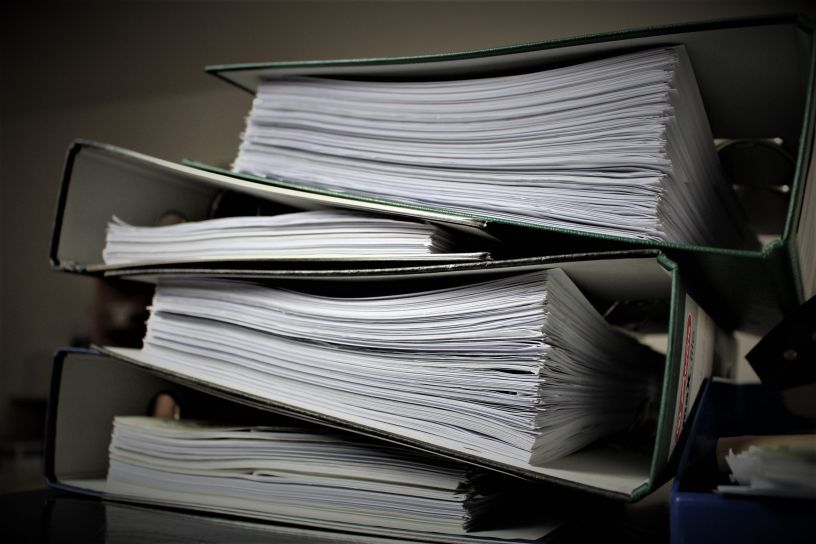
A proposal to restrict access to public records is fueling concerns that transparency is taking a back seat to government convenience.
In California, state elected officials are seeking to restrict public access to government records — a troubling development that threatens transparency and weakens one of the public’s most important tools for holding government accountable. The irony is hard to miss: the very officials elected to serve the public are now backing a measure that would make it harder for that same public to see what its government is doing.
Critics contend that the anti-transparency bill, championed by Assembly Member Blanca Pacheco (D-Downey), serves the interests of local governments seeking to limit public oversight. They argue that the proposal is not primarily about improving efficiency, but rather about insulating public officials and agencies from scrutiny and difficult questions.
Public records laws exist so that citizens, journalists, watchdog organizations, and community groups can monitor government actions, expose waste and misconduct, and evaluate whether elected leaders are acting in the public interest. Weakening access to those records tips the balance away from transparency and toward secrecy.
At a time when public trust in government is already fragile, restricting access to public records sends exactly the wrong message. Citizens are routinely told that transparency is the bedrock of democracy — yet some of their elected representatives are backing policies that would make government less transparent in practice.
If public officials are confident in their decisions, they should welcome oversight rather than resist it. A healthy democracy depends on an informed public, not one kept in the dark. Limiting access to public records does not strengthen government; it weakens accountability. When transparency is curtailed, citizens are left with only one option: to take those in power at their word. That is not accountability. It is blind faith.
None of this should come as a surprise. Increasingly, some public officials act as though they are the owners of public records rather than their custodians. They treat access to government information as a privilege they can grant or withhold at their discretion — not as a right guaranteed to every Californian. Many seem to resent requests that shed light on how taxpayer dollars are spent, how decisions are made, and whether public agencies are doing their jobs. Put plainly: they don’t like people looking too closely at the public’s business.
According to CalMatters, Pacheco’s legislation — AB 1821 — would allow public agencies to delay records requests deemed “improperly” filed, sue requesters over requests labeled “malicious,” and charge fees to produce government records.
David Snyder, executive director of the First Amendment Coalition, was blunt about the Pacheco bill: “It’s no overstatement to say that the newly amended AB 1821 poses a direct attack on government transparency in California. It would make obtaining government records cost more — in some cases much more. It would allow government agencies to take even longer than they do now to respond to requests. It would allow agencies to deem requests as ‘not properly requested’ and therefore not subject to the deadlines for a response under the CPRA.”
The most dangerous provision, Snyder added, is the one that would allow agencies to sue members of the public over requests deemed to have been made with “malicious intent.” That provision alone should be disqualifying. It would hand agencies a ready weapon to suppress accountability — and in other states, it has already been used that way, he said.
I teach advanced news reporting at Fresno State, and one of the first things I show students is how to responsibly use the California Public Records Act and why it exists. But I don’t just teach it. I’ve relied on it many times as a working journalist in a 48-year career.
This law is not abstract to me. It is a tool I have depended on, and one my students will depend on, too. When legislators erode it, they aren’t just changing a procedural rule. They are making it harder to know what government is doing with our money, in our name.
Californians should be alarmed. And their state representatives should hear about it.

